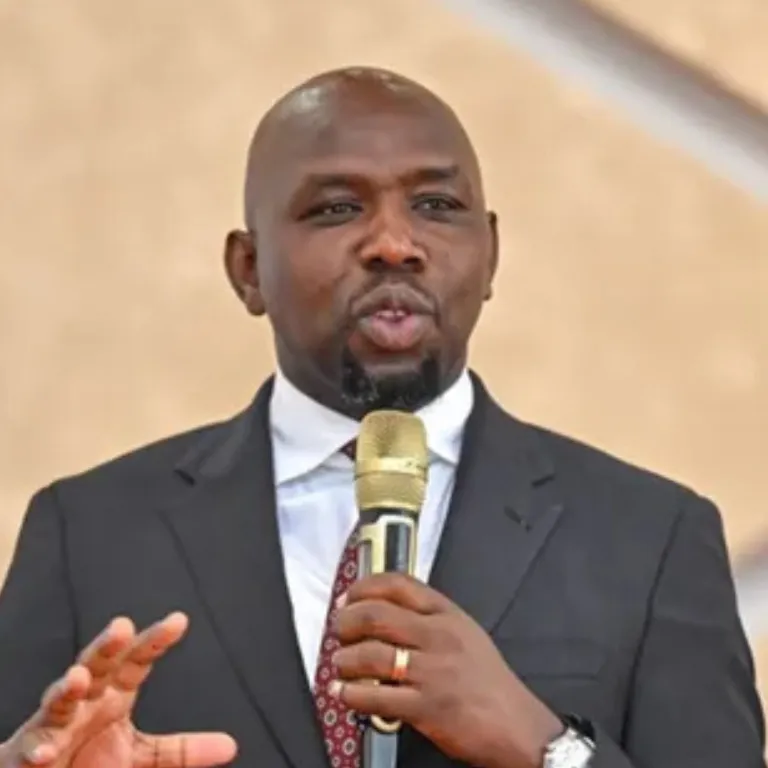



The reported engagement between President William Ruto’s daughter, Charlene Ruto, and Tanzanian tech entrepreneur Isaya Yunge has drawn attention not only to the couple’s personal lives but also to the credentials and business record of the man who has emerged at the centre of the speculation.
Yunge is a Tanzanian entrepreneur and technology advocate whose career stretches beyond the recent attention surrounding his reported relationship with Charlene. He is best known for his work in education technology, having co-founded SomaApp, a platform designed to connect African students with scholarship opportunities.
The platform was created after Yunge identified a problem affecting young Africans: scholarship opportunities were often available but remained inaccessible to students who did not know where to find them or how to apply. According to Ashoka, which recognised Yunge as a Fellow, SomaApp was created in 2016 and used technology to match students with funding opportunities based on their profiles. By the end of 2018, Ashoka reported that about 15,000 students had used the application and that scholarships, short courses and conference opportunities worth approximately $850,000 had been accessed through the platform.
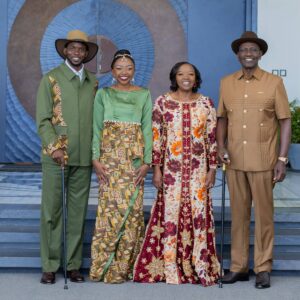
That work earned Yunge one of the most prominent honours of his early career. In 2018, he received the Queen’s Young Leader Award from Queen Elizabeth II. He was one of two Tanzanians among the African recipients that year, alongside Alice Ahadi Magaka.
Yunge’s profile also expanded internationally. He appeared on Forbes Africa’s 30 Under 30 list in 2018 in the technology category, where he was identified as the founder of SomaApps Technologies. The recognition placed him among a generation of African entrepreneurs being promoted as potential drivers of the continent’s technology economy.
His ambitions, however, have extended beyond scholarship technology.
Yunge is also associated with Smart Kaya, a company developing what it describes as an African hands-free smart speaker. The company’s website identifies him as co-founder and CEO and says the product is intended to help turn African homes into smart homes. The company’s description also links Yunge’s work to the collection and development of African-focused technological data.
ALSO READ: I command everyone in mt. Kenya to leave ruto’s uda and join my party – rigathi gachagua
Another venture associated with Yunge is Somafit, a wearable technology product designed to monitor health measurements including blood pressure and heart rate. His wider portfolio has consequently positioned him as a serial entrepreneur working across education, artificial intelligence, consumer technology and wearable devices.
Yunge’s background is equally notable. Before becoming known primarily as a technology entrepreneur, he was involved in youth advocacy. Accounts of his career state that he served as a UNICEF African Youth Ambassador and participated in the 2007 G8 youth summit in Germany. His early experiences in Mwanza, where he reportedly worked with children living on the streets, helped shape his interest in using technology and education to address social problems.
But the renewed public interest in Yunge raises questions that go beyond an impressive list of awards and entrepreneurial projects.
For a public figure such as Charlene Ruto, any reported relationship with a prominent foreign businessman is likely to attract scrutiny over business interests, networks and potential conflicts of interest. That scrutiny should not, however, be confused with evidence of wrongdoing. Yunge’s awards, Forbes recognition and entrepreneurial projects establish a public professional record, but they do not by themselves prove the commercial success, financial value or long-term viability of every venture associated with him.
There is also a need to distinguish Yunge’s documented history from claims circulating around his relationship with Charlene. While reports may describe him as her fiancé, independent confirmation of an engagement should be treated separately from the verifiable record of his technology career. Likewise, claims about a recent appearance at a Forbes Africa Under 30 gathering in Gauteng require confirmation before being presented as established fact.
What is clear is that Yunge is not simply a figure who has appeared suddenly because of his association with the Ruto family. He has spent years building a profile in African technology and social entrepreneurship, receiving international recognition for SomaApp and developing products aimed at solving distinctly African problems.
The more consequential question, therefore, is not merely who Charlene Ruto’s reported fiancé is, but what his business interests are, how successful his ventures have become, who finances or partners with them, and whether his growing proximity to Kenya’s political establishment will create new public-interest questions.
Those questions warrant scrutiny. They also require evidence.